The short answer
Go in the first hour after opening — 7:50 AM on weekdays, 8:15 AM at weekends — on a Tuesday, Wednesday or Thursday. Avoid 2 to 4 PM, and avoid Sunday morning, when Mass limits tourist access. Autumn and winter are the quietest seasons; July and August are the hardest, and it is the unshaded queue outside that hurts, not the nave. Thursday evenings run to 10 PM and are the week’s hidden slot.
Notre-Dame is one of the most-visited monuments on earth, so timing your visit well is the difference between a serene hour under the vaults and a long, hot wait on the parvis. Here is how to pick your moment.
Best time of day
Early morning wins, every time. The first hour after opening — from 7:50 AM on weekdays, 8:15 AM at weekends — has the shortest queues, the calmest interior and the best light for photographs. Late weekday afternoons are a good second choice. The worst window is the middle of the afternoon, especially 2 to 4 PM, when tour groups and day-trippers converge.
Best day of the week
Weekdays beat weekends. Saturdays and Sundays draw both tourists and worshippers, and Sunday mornings are busy with Mass, during which tourist access is limited. If your schedule allows, aim for a Tuesday, Wednesday or Thursday.
Best time of year
| Spring (Apr–Jun) | Pleasant weather, rising crowds — reserve a free slot ahead |
|---|---|
| Summer (Jul–Aug) | Busiest and hottest; walk-in queues can hit 2–3 hours — book early morning |
| Autumn (Sep–Oct) | Fewer crowds, soft light, comfortable temperatures — an excellent time |
| Winter (Nov–Mar) | Quietest of all; short walk-in waits, magical around Christmas |
How reservations change your timing
From April to October a free reservation is well worth it: it lets you walk past the general queue at your chosen time. In the quieter months, walk-in waits are usually short enough that you can simply turn up. Either way, a guided tour with reserved access takes the guesswork out of peak-season timing — see the Notre-Dame guided tours or the practical details on the visiting guide.
The hours, and what they mean in practice
| Day | Open | The practical read |
|---|---|---|
| Monday–Wednesday | 7:50 AM – 7:00 PM | The quietest weekday mornings of all |
| Thursday | 7:50 AM – 10:00 PM | The late evening is the week’s hidden slot |
| Friday | 7:50 AM – 7:00 PM | Busier from midday as weekend arrivals land |
| Saturday–Sunday | 8:15 AM – 7:30 PM | Later opening, heavier crowds, Mass on Sunday |
Last entry is 30 minutes before closing, and tourist circulation pauses during services. Full detail, including security and the dress code, is on the visiting guide.
The weather question
Paris summers have grown hot enough to matter here. The cathedral holds its temperature well, so the interior is a relief rather than a trial — but the queue is outdoors on an unshaded stone parvis, and in July and August that is the part that hurts. It is also why Sainte-Chapelle, a common pairing, can close at short notice in extreme heat. If you are visiting in high summer, the early slot is not about crowds so much as about not standing in the sun.
Winter has the opposite trade. Short days mean the rose windows are at their best in a narrow window either side of noon, and the interior can be genuinely cold. In exchange you may have the nave close to yourself.
Timing around the liturgy
This is the factor most guides never mention until you are standing there. Notre-Dame is a working cathedral, and its calendar takes precedence over the tourist timetable without notice. Sunday mornings run several Masses. The great feasts — Christmas, Easter, the Assumption on 15 August — fill the building with worshippers, and access is prioritised accordingly. The Crown of Thorns is brought out for veneration on set Fridays through the year.
None of that is a reason to stay away; hearing the organ during a service is one of the best things that can happen to a visit. It is a reason to check before you plan a specific hour. The events and services page lays out the rhythm.
How long to allow
A focused interior visit takes 45 minutes to an hour at a comfortable pace. Add 15 to 30 minutes for security and, without a reservation in season, anything from half an hour to three hours for the queue. A guided tour runs one to two hours depending on format, and the island walks sit at the top of that range.
If you are climbing the Bell Towers as well, allow a separate 90 minutes to two hours: the 422 steps, the chimera gallery, the bells and the descent, plus the timed-entry wait at the tower door. That is a different ticket, a different entrance and a different queue, and it is the part travellers most often try to squeeze into a morning that will not hold it.
Where the crowds actually come from
Three streams converge on the parvis and they peak at different hours. Coach groups arrive mid-morning and again after lunch. Independent travellers cluster from late morning through mid-afternoon. Worshippers come for the offices, which is a smaller flow but the one that closes the tourist route. Understanding which stream you are avoiding tells you which hour to pick: early beats the coaches, Thursday evening beats everyone, and a February weekday beats the calendar.
Quick answers by traveller
- One day in Paris: first slot of a weekday morning, then walk the island afterwards.
- Travelling with children: weekday morning, keep it under an hour, skip the towers.
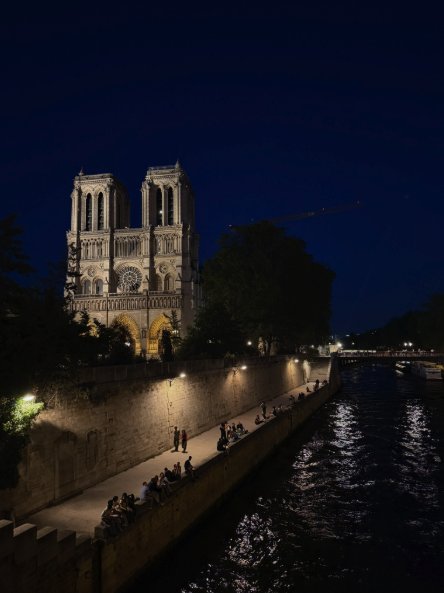
- Photography: early morning for the interior; a Thursday evening for the floodlit facade.
- Peak summer: the 8 AM start, or a reserved-access tour — the parvis queue is the problem, not the nave.
- Avoiding crowds entirely: a weekday in January or February, walk-in, no reservation needed.
Still deciding how to see it? Our guide to choosing a Notre-Dame tour breaks down the options, and the ticket guide covers the reservation mechanics.
Ready to book a Notre-Dame tour?
Compare the guided tours and skip-the-line options side by side, from $24, all with free cancellation.
See all Notre-Dame toursTours that fit this trip
Chosen to match what this guide covers, not for what sells.
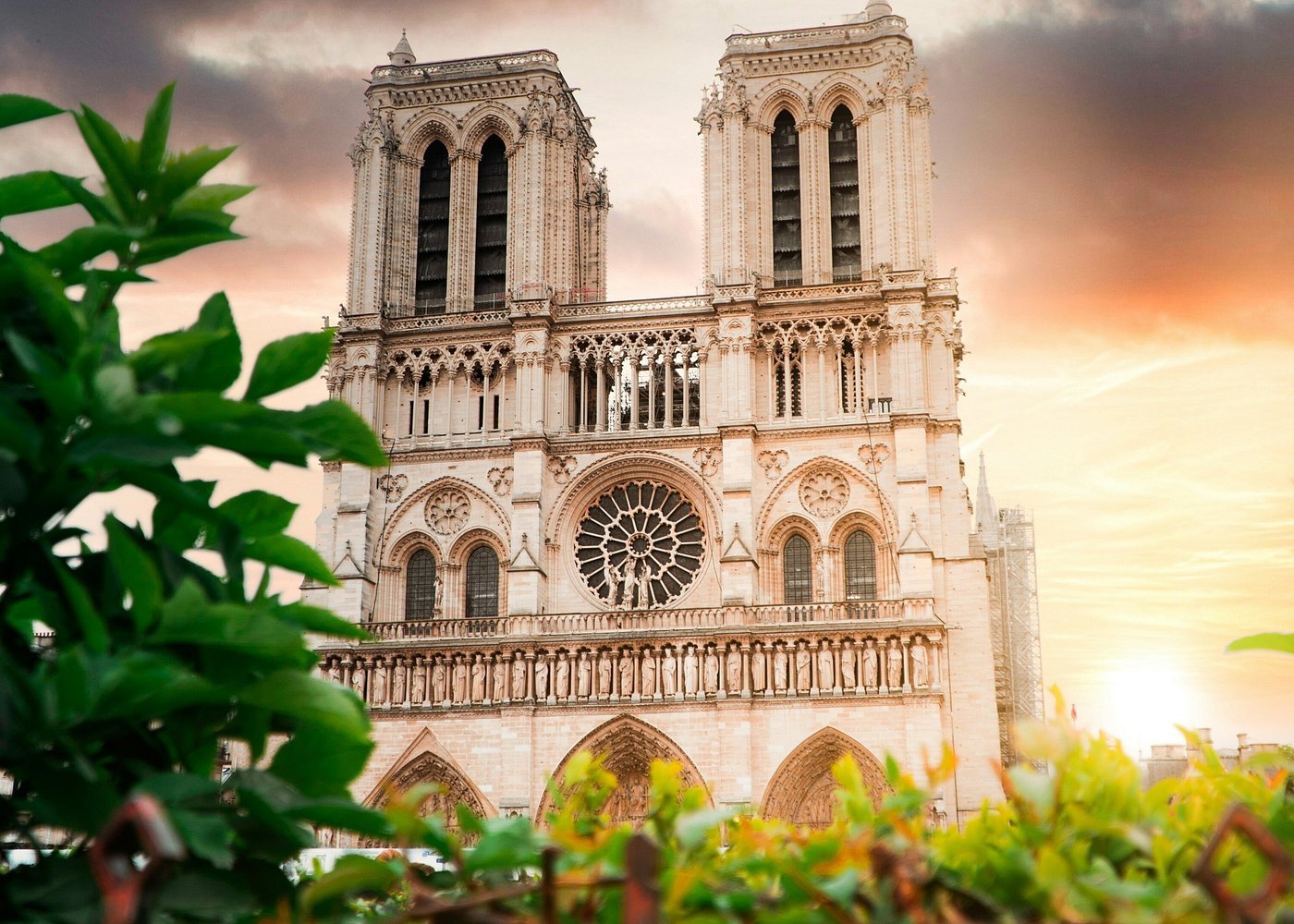
Paris Notre Dame Cathedral Guided Tour - Early Access
The early-access format this post keeps recommending, built around the first hour after opening.
From $26 per person
Check Availability
Notre-Dame Interior or Exterior Tour with Scheduled Group Access
Scheduled group access, which is what actually helps between April and October when the walk-in queue is the problem.
From $69 per person
Check Availability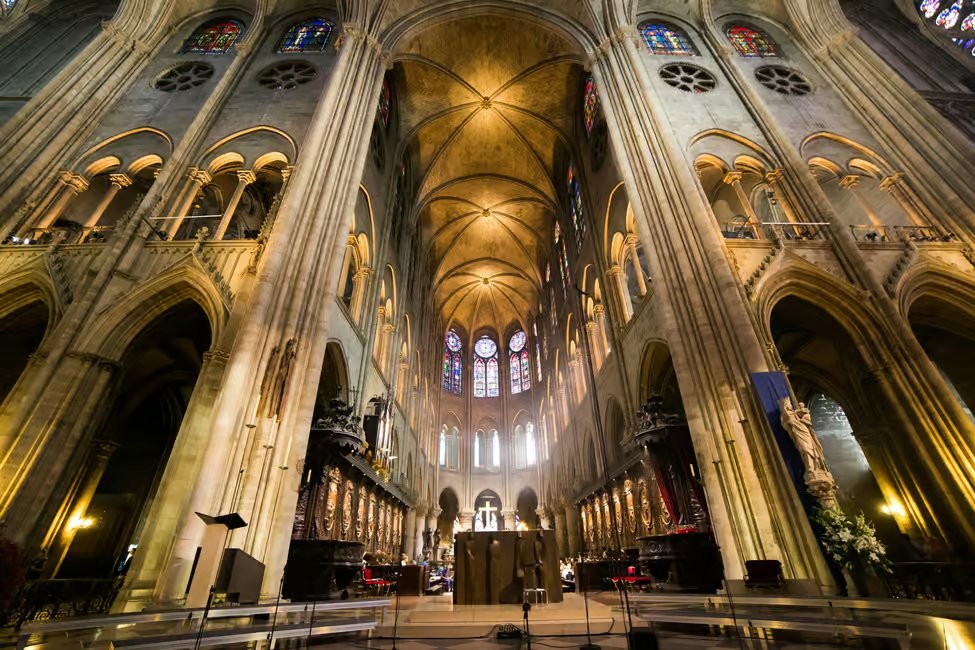
Paris: Notre-Dame Cathedral Guided Tour with Access
A compact one-hour visit with access — the right shape for the Thursday-evening slot this post singles out.
From $50 per person
Check Availability